

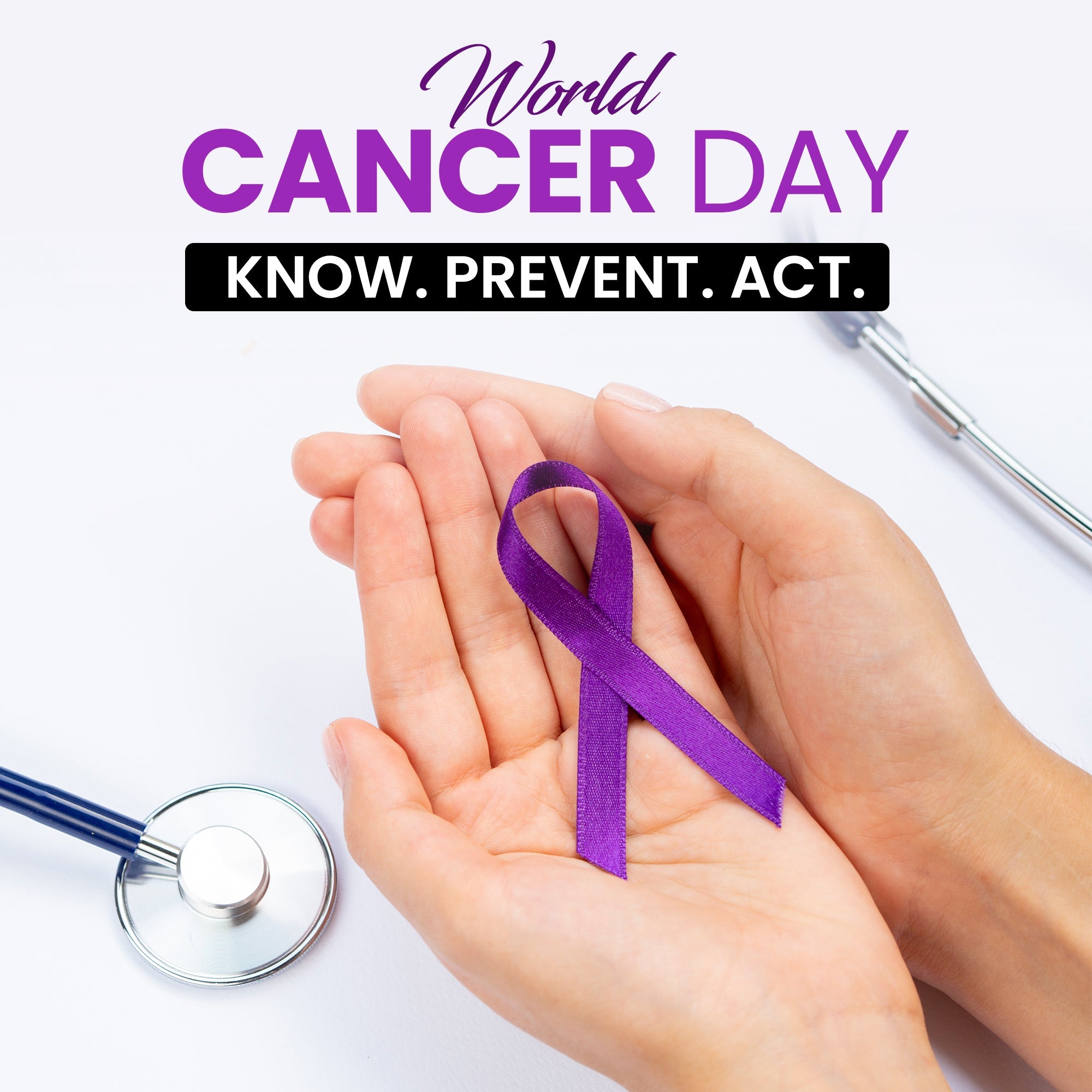
What do we do on World Cancer Day (4th February)? What is the cancer awareness day, what are the early symptoms of cancer and what is the lifestyle for preventing cancer? What is that anti-inflammatory diet, and what foods are to be avoided?
Introduction
Every 4th February, the world observes World Cancer Day in an effort to create awareness of one of the biggest health problems of the century. How the World Cancer Day came into being on 4th February, you may have wondered. The answer is so distant in history. This day has been made to make the awareness of cancer part of our daily lives: how we consume our food, how we live and how we immediately react early enough when we notice the symptoms. The purpose of Cancer Awareness Day will be to prevent and consider early cancer in men and women, eat healthily, and learn healthy lifestyle habits that reduce risks. Consciousness in a nutshell is life, and knowledge is fate.
Explaining why the world can celebrate World Cancer Day on 4th February
World Cancer Day is held on 4th February due to the signature of the Charter of Paris, where the World Cancer Summit was held in 2000. World leaders, health organisations, and governments were united with the same goal because of this charter to reduce deaths caused by cancer through prevention, early diagnosis, and better care (World Cancer Day, n.d.).
This date was not picked randomly. It is a representation of shared responsibility.
The main motives that lead to the World Cancer Day include:
-
To increase awareness of cancer in the world.
-
To help end cancer fear and stigma.
-
To promote screening and diagnosis at early stages
-
To drive a prevention and treatment policy.
The awareness day about cancer acts as a reminder that cancer is not an illness. It is a cultural, geographical and social issue. The reason why awareness changes outcomes and the issue of Cancer Awareness Day.
The reason why awareness changes outcomes and the issue of Cancer Awareness Day.
Cancer awareness requires risks to be known before they become diagnoses. Several cancers can be silently acquired over a period of time. The gap between when a person feels fine and when they actually act early is breached by awareness.
The reasons cancer awareness is necessary:
-
The initial cancers are better responders to therapeutic interventions.
-
Early detection becomes very important in improving survival rates.
-
Cancers that are related to lifestyle are the ones that can be avoided.
Early detection of the ailment seriously improves the five-year survival rates of such cancers as breast, colorectal, and cervical cancer.
Awareness doesn’t cause fear. It creates preparedness.
Major causes of cancer that you need to know.
As a combination of genetic, environmental, and lifestyle factors, the development of cancer takes place. Not all causes are uncontrollable, but a significant amount of them are.
Common causes of cancer
-
Passive smoking and tobacco consumption.
-
Such inflammation is chronic in the body.
-
Poor diet and obesity
-
Having been under the influence of alcohol so much.
-
Pollutants and environmental toxicants.
-
Stress and sleeplessness in the long term.
Cancers that occur due to lifestyle are increasing across the world. This is the reason that prevention-based education has become the key theme of Cancer Awareness Day messages (Cancer - Symptoms and Causes, n.d.).
Reduction-based cancer prevention lifestyle.
The lifestyle of cancer prevention is not drastic. It is sustainable, regular, and natural.
The important lifestyle practices that prevent cancer:
-
Exercise (athletics, jogging, walking) of some form.
-
Keeping the waist-to-hip in good condition.
-
Giving quality sleep time a priority of 78 hours.
-
Cope with stress by being mindful or relaxing.
-
Elimination of the use of tobacco.
These habits work together. A single change promotes the next, and over time, there will be a protective ripple effect.
The role of an anti-inflammatory diet plan and its use in cancer prevention
One of the silent causes of cancer is chronic inflammation. An anti-inflammatory diet plan is useful to maintain this internal damage.
Basic foods on an anti-inflammatory diet
-
Green vegetables such as spinach and kale.
-
Antioxidant-contaminated berries.
-
Fatty fish with omega-3 fats
-
Nuts, oil, olives, and turmeric.
Simple daily food swaps
-
The refined snacks should be substituted with the fruits and nuts.
-
Select grilled or steamed food instead of fried food.
-
Substitute a lot of salt with herbs and spices.
Anti-inflammatory diet helps to maintain the health of individual cells and reduces the likelihood of cancer in the long term (Anti-inflammatory Diets and Cancer, n.d.).
Carcinogenic foods to avoid for better cancer awareness
Education on carcinogenic foods to avoid is also an important aspect of cancer prevention.
Food materials associated with the risk of cancer:
-
Eating processed meat includes items such as bacon, sausages and salami.
-
Oils deep-fried and reheated.
-
high sweet pastry and desserts.
-
Too salty preserved food.
These foods favour oxidative stress and inflammations. It is less about perfection, rather than frequency.
Men and early signs of cancer
It is imperative to understand that the detection of early signs of cancer among men will significantly enhance their outcome.
The telltale signs that as a man one can never afford:
-
Unexplained weight loss
-
Persistent fatigue
-
Blood in urine or stool
-
Lumps in the testicles of the chest.
-
Persistent cough or hoarseness.
Many men delay medical help. Consciousness promotes immediate action.
Early warning signs of cancer in women
Women have certain symptoms, which are associated with hormonal and reproductive systems.
Some of the early indications of cancer among women:
-
Lumps in the breast or change of the nipples.
-
Abnormal vaginal bleeding
-
Pelvic pains or bloating continue to exist.
-
Sudden appetite changes
-
Chronic fatigue
Early screenings along with the awareness of symptoms save lives annually.
Prevention and early detection work best together
Prevention reduces risk. Early diagnosis is better for survival. When next to each other, the results become better.
Benefits of early detection:
-
Less aggressive treatments
-
Lower healthcare costs
-
Improved living standards in the recovery process.
World Cancer Day strengthens this bilateral strategy the world over.
Conclusion
It is because knowing the reason as to why World Cancer Day is celebrated on 4th February helps in focusing the fear on the empowerment as opposed to the fear. The purpose of the Cancer Awareness Day is to make informed decisions, be aware of the early indications of cancer in men and women, adhere to an anti-cancer lifestyle, adhere to an anti-inflammatory diet, and reduce carcinogenic foods. As a matter of fact, prevention of cancer begins a long time before diagnosis. Awareness is the first step. Action is the second. Together, they save lives.
FAQs
Why should World Cancer Day be held on 4th February?
World Cancer Day is marked on 4th February every year to honour the signing of the Charter of Paris in 2000. This charter united the world leaders to promise to curb the cancer-related deaths by preventing them, detecting them early, making them easier to treat and educating the people. The date has come to remind people throughout the globe that cancer solidarity and compassion could save lives.
What is known as Cancer Awareness Day?
The cancer awareness day is very important in protecting people from the risks of cancer and symptoms as well as prevention methods. It leads to open dialogue, less fear and stigma, and encourages early intervention by screenings and more healthy lifestyles.
Is lifestyle change a good prevention of cancer?
Well, there are numerous cancers, which are closely associated with living style. By adopting a cancer prevention lifestyle consisting of a healthy lifestyle, a nutritious diet, a healthy weight, stress management, and preventing tobacco use, the chance of getting some types of cancers is considerably low.
What is an anti-inflammatory diet plan, and why do we need to know about it?
This diet programme incorporates whole and nutrient-based foods; therefore, it contains vegetable foods, fruits, good fats, and healthy protein sources. It is a form of diet that can be used to reduce chronic interest in the body, which is attributed to the occurrence of cancer and other types of chronic diseases.
What are the carcinogenic foods to be avoided in order to reduce exposure to cancer?
The list of some of the carcinogenic foods that are to be avoided includes examples of processed meat, deep-fried foods, sweetened beverages, refined snacks, and food cooked at extremely high temperatures. The high neural frequency of the said foods can destabilase long-term inflammation and damage cells.
What are the typical symptoms of cancers on the side of men?
The symptoms of the cancer occurrence in men at an earlier stage may consist of the fact that the affected person may have unreasonable weight loss, inexplicable tiredness, blood in the urine or stool, chest or testicle lumps and a cough which continues. These symptoms need to be valued early, and medical professionals consulted to improve the therapy.
What have been the risk factors of early cancer detection in women?
Breast lumps or plaques, unjust vaginal bleeding, persistent pains in the pelvis, unexplainable bloating and chronic fatigue are the initial signs of cancer in women. The primary aspects of early detection are screenings and symptom identification on a regular basis.
Why is it a problem with an early cancer diagnosis?
It is also able to treat the cancer before it reaches other areas because it can help in the early identification of the cancer. It tends to lead towards less violent therapy, greater survival, lower cost of healthcare and a better quality of life after recovery.
Is active chronic stress a cancer risk factor?
Chronic stress alone does not render one susceptible to cancer; however, when combined with weakening of the immune system and inflammatory responses, and when it stimulates unhealthy habits, including lack of sleep or improper diet, it indirectly leads to cancer.
References
-
Anti-inflammatory diets and cancer. (n.d.). American Cancer Society. https://www.cancer.org/cancer/risk-prevention/diet-physical-activity/how-diet-and-physical-activity-impact-cancer-risk/anti-inflammatory-diets-and-cancer.html
-
Cancer - Symptoms and causes. (n.d.). Mayo Clinic. https://www.mayoclinic.org/diseases-conditions/cancer/symptoms-causes/syc-20370588
-
World Cancer Day. (n.d.). Official website of World Cancer Day by UICC | 4 February. https://www.worldcancerday.org/
Share:
What Is Fossence® Prebiotic Fiber & How It Supports Gut Health Naturally
Is Glutathione Safe to Take Daily for a Long Time? Usage & Benefits Explained for Skin Health